

Electrical systems are designed to operate reliably, yet when faults occur, they often do so without warning and with serious consequences. From sudden power loss to hazardous electrical smells or visible sparks, these incidents demand immediate attention. Unlike routine electrical work, emergencies require swift judgement, specialist skills, and a calm, professional response. Knowing how emergency electrical services operate and why professional intervention is essential can significantly reduce risk and stress. Many property owners underestimate the complexity of urgent electrical faults, assuming they are simple fixes, when in reality they may indicate deeper system failures. This article focuses on the role of emergency electricians, how they differ from standard electrical services, and what makes rapid professional support essential in critical situations. By understanding the process, responsibilities, and value of emergency electrical care, readers can respond decisively and safely when unexpected electrical issues disrupt homes or businesses.
How Emergency Electricians Differ from Standard Electrical Services
Emergency electricians operate under very different conditions compared to routine electrical contractors. Their work is defined by urgency, risk management, and rapid decision-making. While standard electricians typically work scheduled hours and handle planned installations or upgrades, emergency specialists are available around the clock to respond to immediate hazards. Their training prepares them to assess volatile situations quickly and implement solutions that prioritise safety above all else.
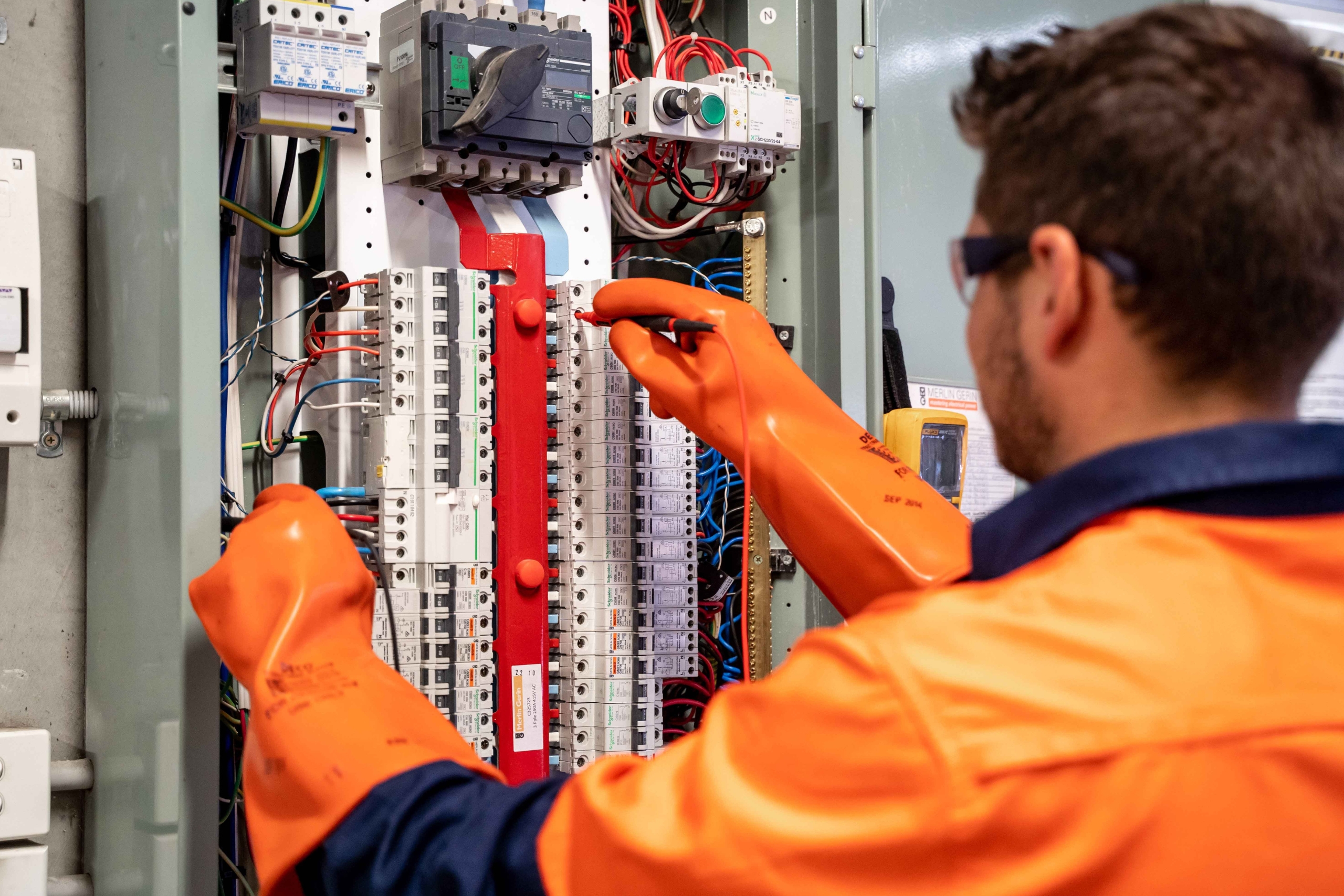
These professionals carry specialised tools and testing equipment designed for fault diagnosis under pressure. They are accustomed to working in compromised environments, such as properties without power or locations affected by water damage. This level of preparedness ensures they can act decisively without compromising safety standards.
Another key distinction lies in accountability. Emergency electricians must ensure that any immediate repairs comply with regulations while stabilising the system until permanent solutions can be completed. Their role is not just technical but preventative, reducing the risk of further damage or injury during critical moments.
The Risks of Ignoring Urgent Electrical Problems
Delaying action during an electrical emergency can have serious consequences. Electrical faults often worsen rapidly, especially when caused by overheating, damaged wiring, or short circuits. What may initially appear as a minor issue can escalate into fire hazards or complete system failure if left unresolved.
In residential settings, ignored faults place occupants at risk of electric shock or fire, particularly during the night when problems may go unnoticed. In commercial properties, the risks extend to business continuity, employee safety, and equipment damage. Prolonged electrical failures can disrupt operations and result in costly downtime.
There is also the legal and insurance aspect to consider. Property owners have a responsibility to maintain safe electrical systems. Failure to address known hazards promptly may affect insurance claims or regulatory compliance. Emergency electricians provide immediate risk mitigation, ensuring problems are handled professionally before they escalate into more serious incidents.
What Triggers the Need for Emergency Electrical Assistance
Electrical emergencies are often the result of underlying issues that reach a critical point. Faulty consumer units, damaged cables, and overloaded circuits are among the most common triggers. These problems may develop slowly over time but fail suddenly when demand increases or components degrade beyond tolerance.
External factors can also play a significant role. Storms, power surges, and water ingress frequently cause unexpected electrical failures. Even minor flooding or leaks near electrical systems can create dangerous conditions requiring urgent professional attention.
Human activity is another contributing factor. Improper installations, unauthorised modifications, or poor-quality repairs increase the likelihood of sudden breakdowns. Emergency electricians are trained to identify whether faults stem from wear, environmental impact, or workmanship issues, allowing them to address both the symptoms and the root cause effectively.
How Emergency Electricians Restore Safety Quickly
The primary objective of an emergency electrician is to make the situation safe as quickly as possible. Upon arrival, they assess immediate risks, isolating power where necessary to prevent further danger. This initial step is critical in environments where live electricity poses a threat to occupants or property.
Once the area is secured, detailed fault-finding begins. Electricians test circuits, inspect components, and identify failures using professional diagnostic tools. Clear communication is maintained throughout, ensuring clients understand what has happened and what actions are required.
In many cases, emergency repairs can be completed during the initial visit. When permanent repairs require additional work or parts, temporary solutions are implemented safely. This structured approach ensures safety is restored promptly while maintaining compliance with electrical standards.
Choosing Reliable Emergency Electricians During Critical Moments
During emergencies, many people search urgently for emergency electricians near me, focusing on speed rather than suitability. While rapid response is essential, reliability and qualifications are equally important. Reputable emergency electricians are fully certified, insured, and experienced in high-risk scenarios.
Trustworthy professionals provide transparent pricing and honest assessments, even under pressure. They prioritise safety over shortcuts and ensure all work meets regulatory requirements. Local expertise can also be beneficial, as familiarity with property types and regional infrastructure allows for faster diagnosis and resolution.
Choosing the right emergency electrician means selecting someone who combines availability with professionalism. This balance ensures urgent issues are resolved safely, efficiently, and with minimal disruption.
Reducing the Likelihood of Future Electrical Emergencies
Although not all emergencies are preventable, proactive measures significantly reduce risk. Regular electrical inspections identify potential hazards before they escalate. These checks are particularly important for older properties or buildings with high electrical demand.
Upgrading outdated components, such as consumer units or wiring, improves system reliability and safety. Responsible usage habits, including avoiding overloaded sockets and addressing minor faults promptly, also play a crucial role in prevention.
Professional advice is invaluable in maintaining electrical systems. Emergency electricians often provide guidance following call-outs, helping property owners understand how to reduce future risks. Preventative care not only enhances safety but also reduces long-term repair costs and disruption.
Conclusion
Electrical emergencies demand immediate, professional attention, and understanding how emergency electrical services operate empowers property owners to act decisively. Emergency electricians play a vital role in protecting lives, property, and essential systems during critical moments. Their ability to assess risks quickly, restore safety, and provide clear guidance distinguishes them from standard electrical services. By recognising warning signs, responding promptly, and choosing qualified professionals, many dangers can be avoided or minimised. Proactive maintenance and responsible electrical use further reduce the likelihood of sudden failures. When emergencies do occur, access to reliable emergency electrical support ensures problems are resolved safely and efficiently. Preparation, awareness, and professional expertise together create the strongest defence against unexpected electrical disruption.